In the Air
Earth is the only known planet in the universe that supports a vast
and diverse array of life. Its unique combination of environmental factors—such as a
temperate climate, the presence of liquid water, a protective atmosphere, and a stable
orbit—make it an exceptional haven for life.
Among Earth's most remarkable features is its incredible biodiversity. Life here exists
in nearly every corner of the planet, from the deepest parts of the ocean to the highest
mountain peaks. Earth's ecosystems support an estimated 8.7 million species, including
microorganisms, plants, animals, fungi, and more. Two of the most visible and widely
studied groups of animals are birds and mammals.
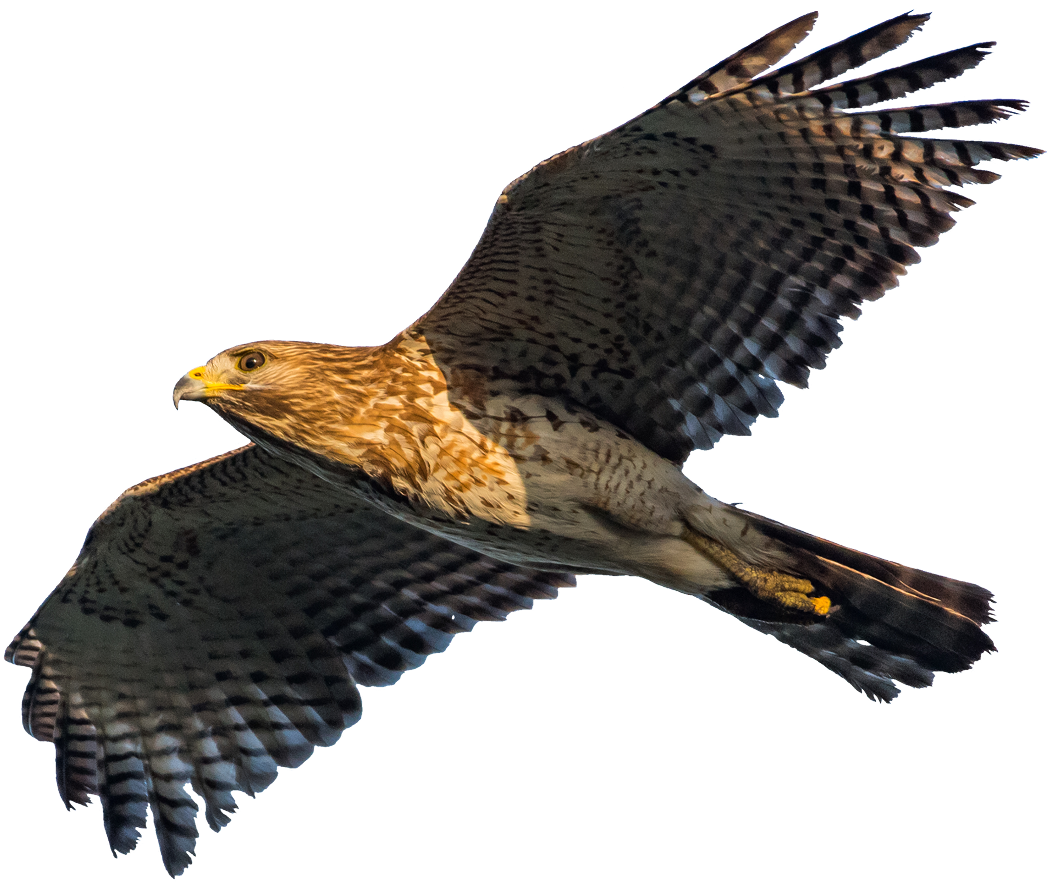
Birds inhabit virtually every ecosystem on the planet—from Arctic tundras to tropical
rainforests. With over 10,000 known species, birds have adapted to a wide range of
environments. Their ability to fly allows for migration across vast distances,
contributing to the balance of ecosystems through pollination, seed dispersal, and
insect control. Some, like the Arctic tern, migrate from pole to pole, while others,
such as parrots and toucans, are found only in specific regions rich in biodiversity.
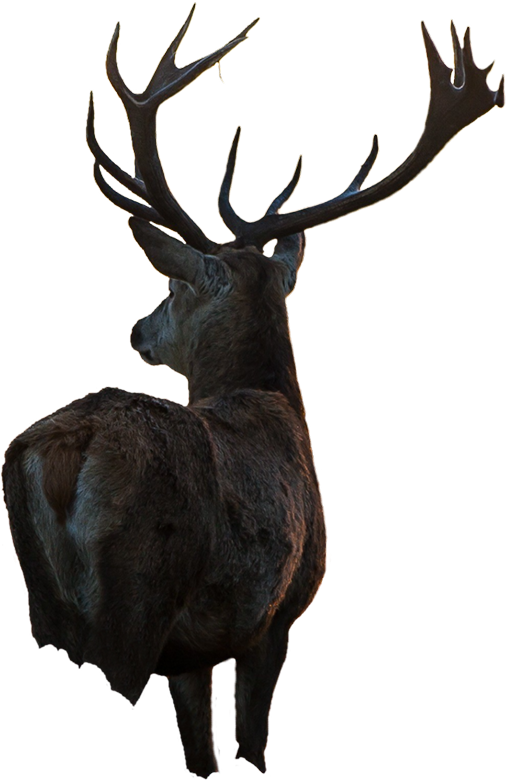
Mammals, comprising more than 6,400 species, range in size from tiny bats and rodents to
massive whales and elephants. Many mammals exhibit complex behaviors and social
structures. Humans, as one of Earth's dominant species, have shaped ecosystems and
environments across the globe, while other mammals, like primates, big cats, bears, and
marine mammals, continue to play vital ecological roles.
These animal groups—along with reptiles, amphibians, fish, insects, and countless
invertebrates—form interconnected food webs that sustain life on Earth. Each species, no
matter how small, contributes to the planet`s delicate ecological balance.
The abundance of oxygen, moderate temperatures, and availability of water support
respiration, reproduction, and survival across all life forms. Forests, wetlands,
grasslands, and oceans each harbor unique combinations of species, forming rich habitats
that are vital to Earth's overall habitability.
While life is incredibly resilient, it also relies on the continued stability of Earth's
climate and ecosystems. The ongoing loss of biodiversity due to habitat destruction,
pollution, and climate change reminds us of the fragility of this rare planetary oasis.
-
Birds evolved from small theropod
dinosaurs about 150 million years ago during the Jurassic period. Over time, they
developed feathers not just for insulation but also for flight, along with hollow
bones and efficient lungs. These features allowed for the active, powered flight we
observe in modern birds.
-
Bats are the only mammals capable
of true, sustained flight. Their wings are formed by a thin membrane stretched over
elongated fingers. They use echolocation—emitting sounds and interpreting echoes—to
navigate in darkness and locate prey. This makes them unique among flying
vertebrates and highly adapted to nocturnal environments.
-
Insects such as bees, butterflies,
and dragonflies rely heavily on air movement for survival. They use flight not only
for foraging and pollination but also for escaping predators and migrating over long
distances. Their complex eyes and chemical receptors help them navigate efficiently
through their aerial environment.
-
Some birds, especially swifts,
have remarkable adaptations that allow them to spend nearly their entire lives in
the air. Swifts can feed on airborne insects, sleep in short bursts while gliding,
and even mate in flight. This aerial lifestyle requires precise wing control and
incredible energy efficiency.
-
Aerobic microbes have been
discovered floating in Earth’s upper atmosphere, including bacteria and fungal
spores. These organisms may remain viable for long periods and play roles in cloud
formation and climate dynamics. Their existence suggests that life can adapt even to
extreme airborne environments.
-
Flying animals use a wide range of
wing shapes and flight mechanics to suit their habitats. Hummingbirds hover with
rapid wingbeats, eagles glide on thermals, and insects like flies perform agile
maneuvers. These strategies optimize energy use and mobility across forests,
mountains, and open skies.
The first person to see Earth from space was Yuri Gagarin, who orbited the planet on April 12, 1961 aboard the Soviet spacecraft Vostok-1.