In the Air
The
Moon’s atmosphere, more accurately called an exosphere, is extremely thin and lacks the
components necessary to support life as we know it. Unlike Earth’s dense,
life-sustaining atmosphere, the Moon's gaseous envelope consists of a few scattered
atoms and molecules, offering no capacity for respiration, weather, or biological
processes.
Scientific investigations into lunar habitability began in earnest during
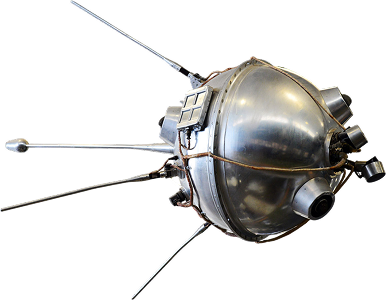
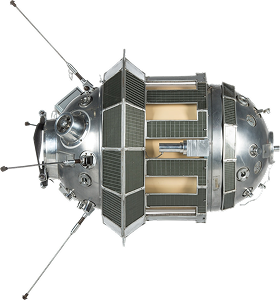
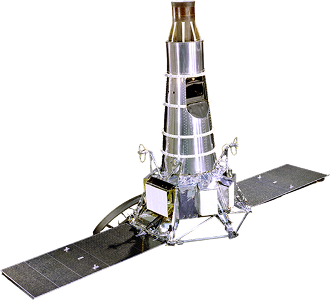
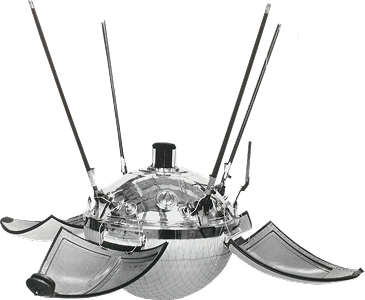
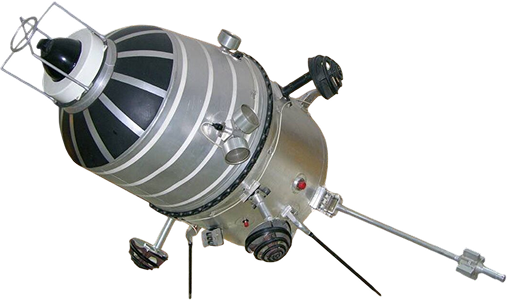
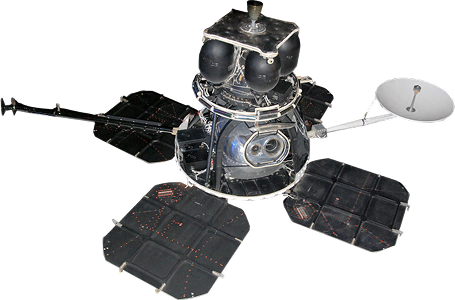
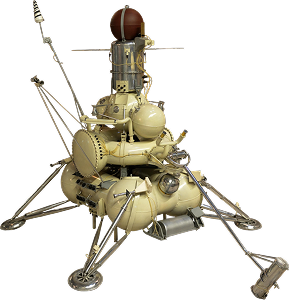
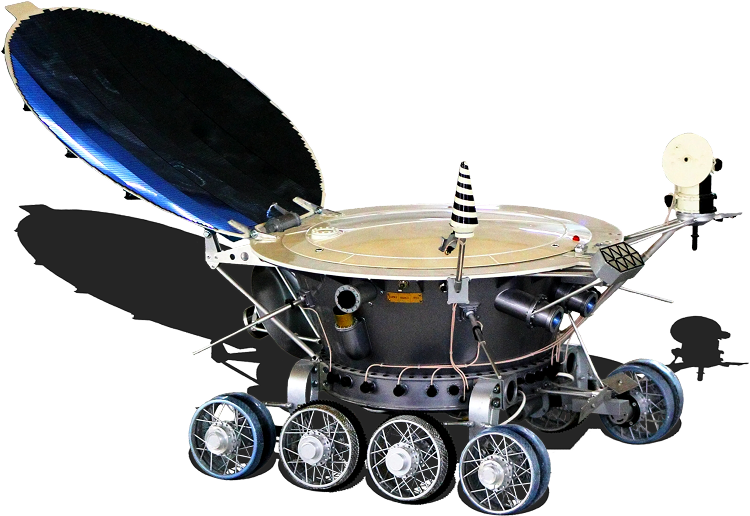
the mid-20th century. Early Soviet and American missions such as Luna, Ranger, and
Surveyor recorded near-vacuum conditions on the Moon. These findings were later
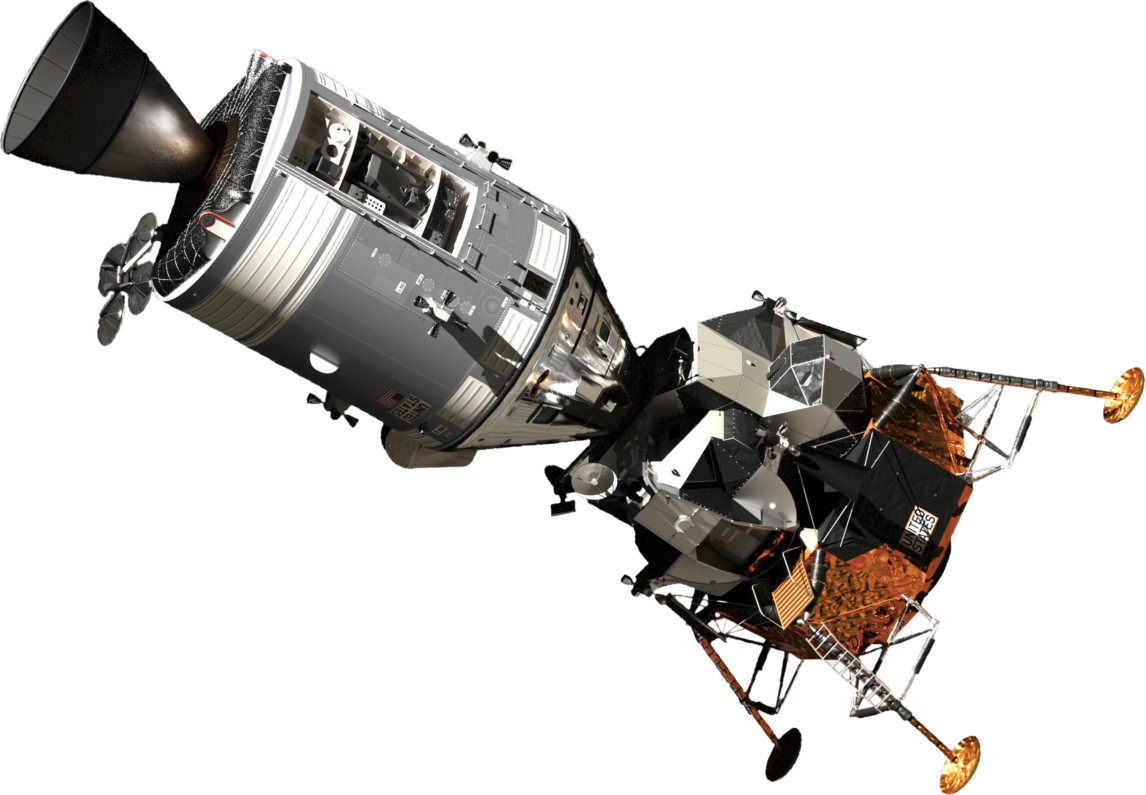
confirmed by the Apollo missions. During the historic Apollo 11 landing in 1969,
astronauts collected samples and measured the lunar environment directly. Results showed
that oxygen, nitrogen, carbon dioxide, and water vapor — all critical to life — are
essentially absent.
Instead, the Moon’s exosphere contains trace elements like
helium, neon, hydrogen, sodium, and potassium, in concentrations measured in parts per
trillion. This exosphere is so tenuous that its molecules rarely collide, behaving more
like particles in space than components of a true atmosphere.
Because of this, the
Moon cannot trap heat, block harmful solar radiation, or support the water cycle. The
absence of pressure means that any liquid water would instantly evaporate or freeze, and
no breathable air exists at any altitude.
Furthermore, studies of permanently
shadowed lunar craters — areas cold enough to preserve water ice — have not revealed any
signs of life, either present or fossilized. These discoveries strongly suggest that
life has never existed in the Moon’s atmosphere.
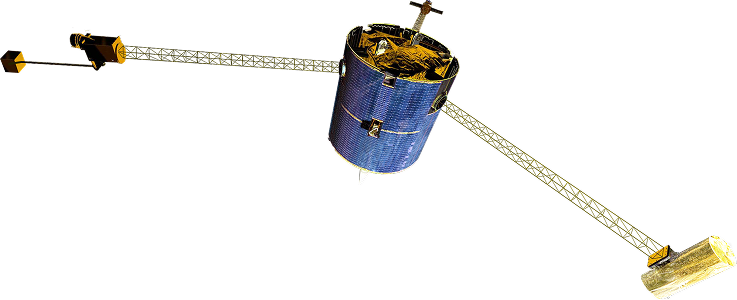
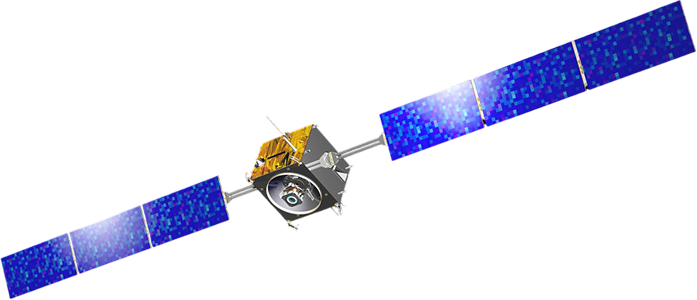
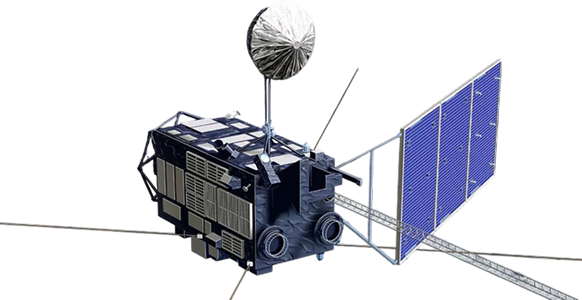
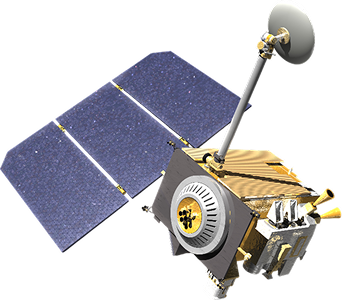
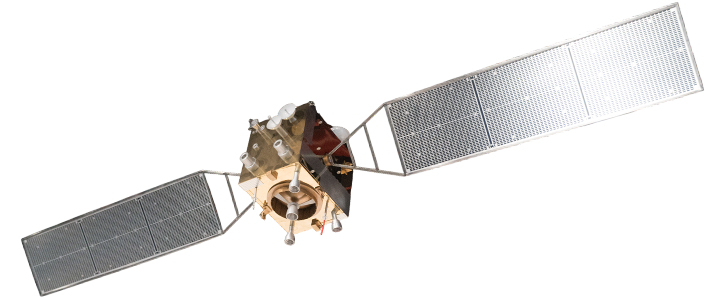
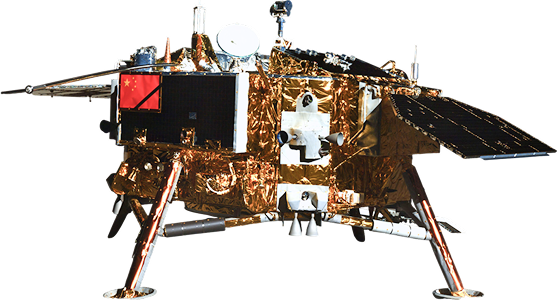
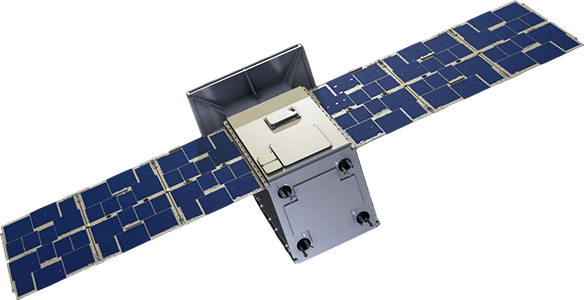
Modern satellites and landers
continue to analyze the lunar environment, confirming its lifelessness. However, they
have helped scientists understand how airless bodies evolve and survive in space.
In
summary, the Moon’s atmosphere is inhospitable to all known forms of life. With no
oxygen, no pressure, and constant radiation exposure, even extremophiles (organisms that
thrive in harsh conditions on Earth) would not survive without advanced protection. Any
future lunar settlement would require sealed, pressurized habitats with complete life
support systems.
Thus, the Moon remains a fascinating, yet utterly uninhabitable
world — its thin exosphere a silent reminder of how rare Earth's atmosphere truly is.
-
Lorem ipsum dolor sit amet
consectetur adipisicing elit. Nulla nostrum,
modi itaque, nemo reprehenderit amet officia pariatur esse est accusamus nihil
architecto ipsam laborum! Assumenda accusantium maxime illum suscipit minus!
-
Lorem ipsum dolor sit amet
consectetur adipisicing elit. Nulla nostrum,
modi itaque, nemo reprehenderit amet officia pariatur esse est accusamus nihil
architecto ipsam laborum! Assumenda accusantium maxime illum suscipit minus!
-
Lorem ipsum dolor sit amet
consectetur adipisicing elit. Nulla nostrum,
modi itaque, nemo reprehenderit amet officia pariatur esse est accusamus nihil
architecto ipsam laborum! Assumenda accusantium maxime illum suscipit minus!
-
Lorem ipsum dolor sit amet
consectetur adipisicing elit. Nulla nostrum,
modi itaque, nemo reprehenderit amet officia pariatur esse est accusamus nihil
architecto ipsam laborum! Assumenda accusantium maxime illum suscipit minus!
-
Lorem ipsum dolor sit amet
consectetur adipisicing elit. Nulla nostrum,
modi itaque, nemo reprehenderit amet officia pariatur esse est accusamus nihil
architecto ipsam laborum! Assumenda accusantium maxime illum suscipit minus!
-
Lorem ipsum dolor sit amet
consectetur adipisicing elit. Nulla nostrum,
modi itaque, nemo reprehenderit amet officia pariatur esse est accusamus nihil
architecto ipsam laborum! Assumenda accusantium maxime illum suscipit minus!
The first person to see the Moon up close from space was American astronaut Frank Borman, commander of the Apollo 8 mission in 1968. The crew became the first to orbit the Moon, observing its far side and capturing the first images from lunar orbit.